


South East Queensland is one of the best regions in Australia for backyard ponds, with a warm climate that supports thriving aquatic life and a wide variety of native wildlife.
It’s completely natural for ponds to exist within a broader ecosystem, and from time to time, pond owners may observe local birds interacting with their water features. These visits are part of the natural environment and are generally well understood once you’re familiar with the species involved.
Here are three of the most commonly seen pond visitors in South East Queensland.
1. Herons – The Patient Wading Hunter
Herons are one of the most well-known pond visitors in Australia. They are commonly found around wetlands, rivers and quiet suburban water areas.
Natural Behaviour
Herons are patient hunters that rely on stillness and timing. They typically:
- Wade slowly through shallow water
- Remain motionless before striking
- Move between natural waterways and urban environments
They are a normal part of the broader wetland ecosystem in South East Queensland.
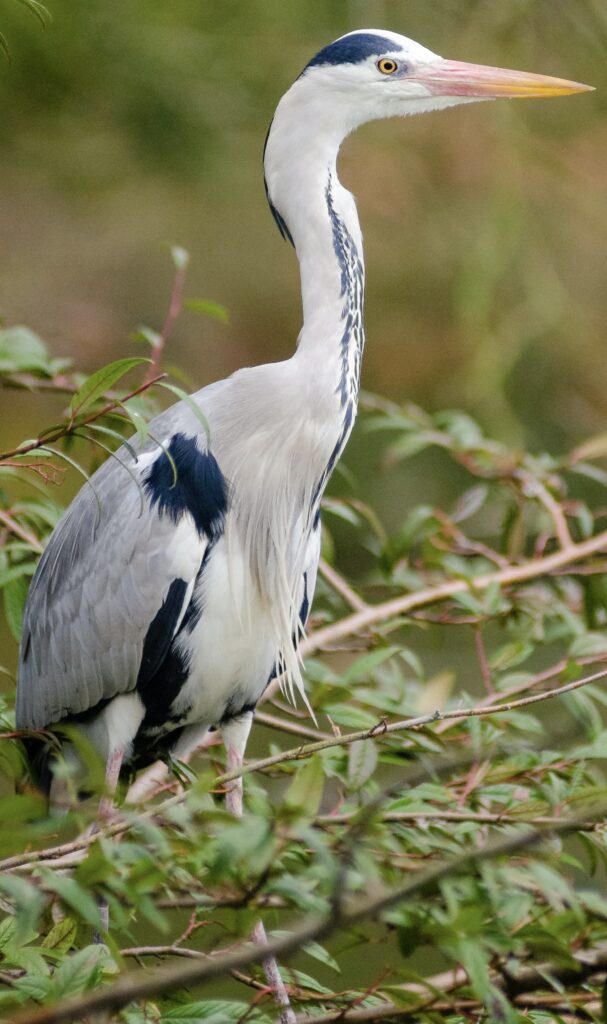
Heron
2. Cormorants – The Skilled Diving Fishers
Cormorants are strong aquatic birds known for their ability to diver and swim underwater in pursuit of fish.
Natural behaviour
Cormorants generally:
- Dive beneath the surface to hunt
- Travel between rivers, lakes and coastal areas
- Rest with wings. outstretched after diving
They are efficient fishers and an established part of Australia’s waterways.
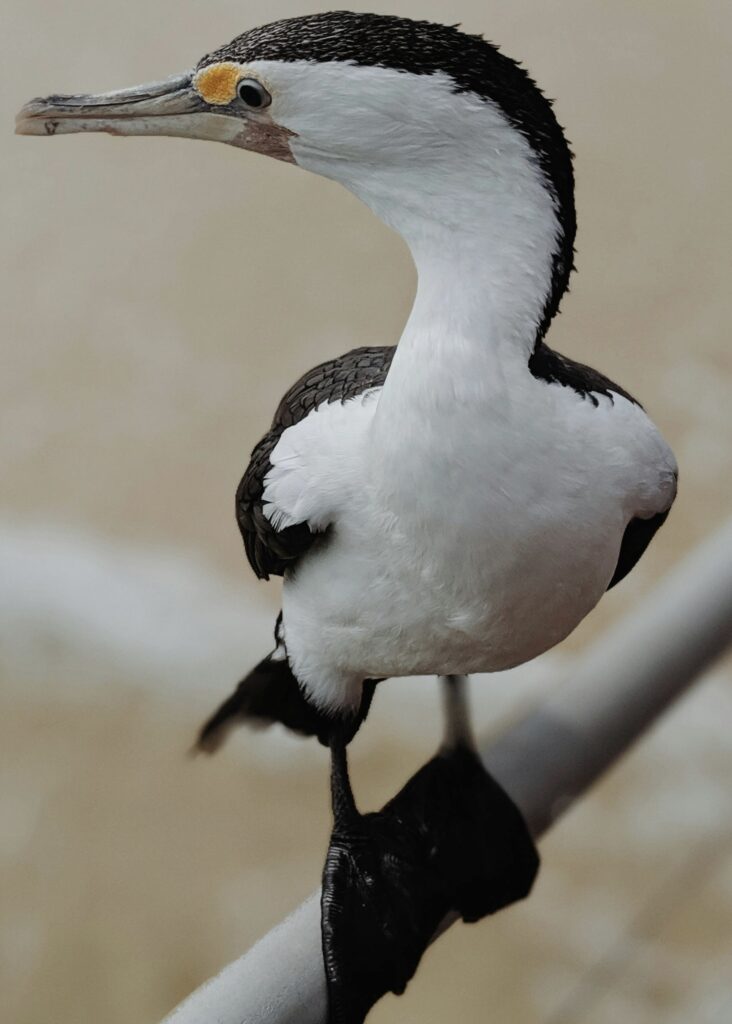
Cormorant
Kookaburras – The Opportunistic Observer
Kookaburra are iconic Australian birds often seen perched in trees or fences overlooking gardens and water features.
Natural Behaviour
Kookaburras commonly:
- Hunt insects, small reptiles and frogs
- Occasionally take small fish near the surface
- Observe quietly from vantage points before moving on.
They are highly adaptable and frequently found in suburban environments.
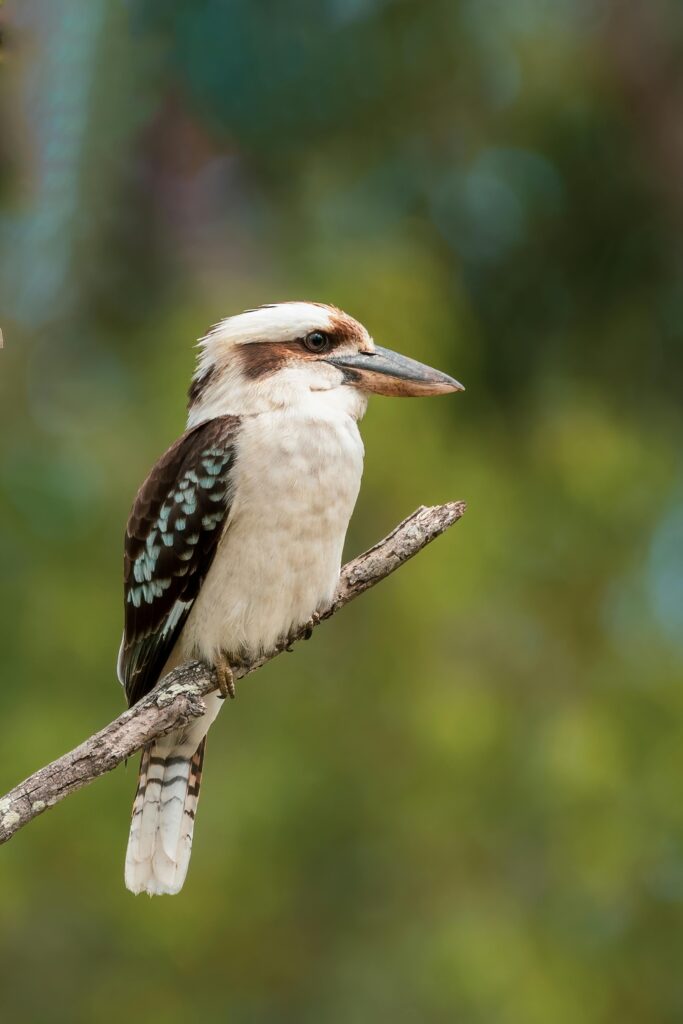
Kookaburra
General Ways Pond Owners Reduce Bird Activity
While these birds are a natural part of the environment, some pond owners choose to use a range of simple, non-invasive methods to reduce frequent visits or surface interaction. These approaches generally focus on visibility, access and cover rather than trying to exclude wildlife entirely.
Commonly used options include:
- Adding more aquatic plants to create surface shade and natural cover
- Increasing depth variation so fish can naturally move into deeper areas
- Using floating plants to reduce clear sight lines into the water
- Adding rocks, logs or structures that create natural hiding spaces
- Pond netting, which can physically limit access to the water surface when appropriate
- Laser deterrents or motion-based deterrents which may help in some situations depending on layout and conditions
Each pond is different and what works well often depends on the surrounding environment, fish stocking levels and overall pond design. Many pond owners use a combination of these approaches to achieve a comfortable balance between enjoying their pond and observing local wildlife.
Understanding Ponds as Part of the Local Ecosystem
Backyard ponds are living systems that naturally interact with surrounding wildlife. In South East Queensland, this includes a wide range of native bird species that may visit or pass through gardens from time to time.
These interactions are a normal part of having a pond and reflect the connection between suburban environments and the natural landscape.
Final Thoughts
Herons, cormorants, and kookaburras are all part of the natural birdlife in South East Queensland and are commonly associated with water environments.
For pond owners, understanding these species simply helps build a clearer picture of how backyard ponds fit into the broader ecosystem where water, fish, plants, and wildlife all coexist.
While bird visits can be a natural part of pond ownership, there are also a range of simple and practical steps pond owners can take to help reduce frequent activity and create a more balanced environment around their pond. In most cases, ponds can be enjoyed long-term with very manageable interaction from wildlife rather than constant disruption.
A well-considered approach means pond owners can confidently enjoy their water features knowing they are part of a healthy ecosystem and not something that is constantly under pressure.